For all your design needs.

What We Do

Specializing in PageMaker – to – InDesign Conversions

Don't miss the extensive BLOG section on typography!
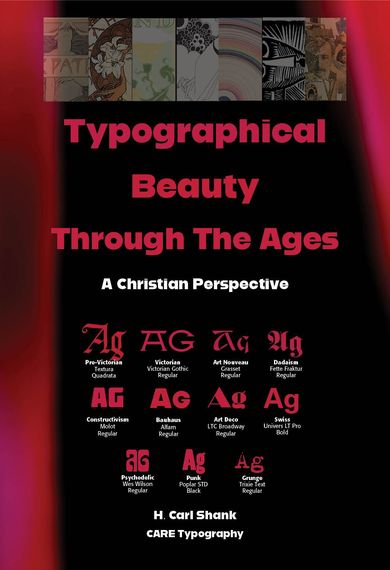
BEAUTY IS IN the eye of the beholder. This often quoted line, sometimes attributed to Margaret Wolfe Hungerford in the 1878 novel Molly Brown, suggests that beauty is a subjective quality with differing opinions as to what is beautiful. What is often termed “ugly” is beautiful to someone else. Philosophically, many have grappled with whether beauty is subjective or objective. In the field of typography from a Christian point of view, differing typographic periods both reveal and test what is considered beautiful. 

We believe beauty in this world comes from the presence of God in creation and life. We are made by our Creator to be “sensory-rich,” and our typographic history unfolds this in stunning and diverse ways. As one writer has so eloquently said

“Holy Scripture calls us to inhabit an ordered world of creation and providence that is sensory rich, but we suffer what we may regard as spiritual sensory deprivation. And the more we discover the depth, scope and lush richness of the divinely ordered real world, the more we discover the impoverishment of the modern condition.” (Mark Garcia, Westminster Theological Seminary)

Typographical Beauty Through The Ages

Available at Lulu.com at their Bookstore

GO TO http://bit.ly/462rzBs

THE MOST PRINTED book in the world is the Bible.  Even before the press work of Gutenberg in the 1400s, handwritten manuscripts by dedicated religious monks brought the Word of God to written light. Centuries earlier than these dedicated transcribers of Scripture, ancient Hebrew and Greek writings began the journey of Bible typography.

William Skeen in his 1872 Early Typography celebrated what he called “The Art Sublime” referring to typography and its use for divine illumination —

“That all aright the men may know

To whom Typography we owe;

The men whose names immortal ring,

Whose gifts transcendent blessings bring,

Whose monuments in every land

By wisdom rear’d, heart-honor’d stand,

Inscribed in tongues of every clime —

“Inventors of the Art Sublime!”

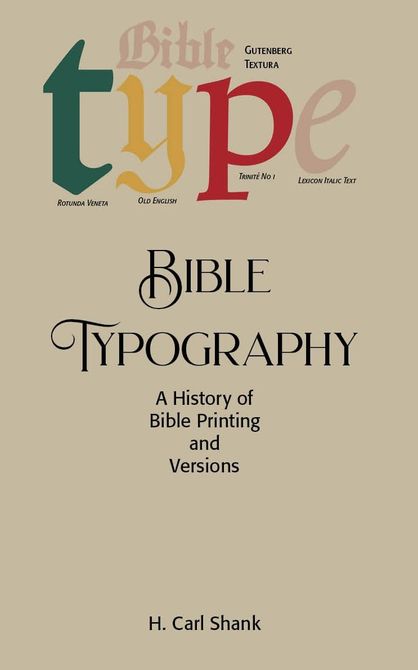
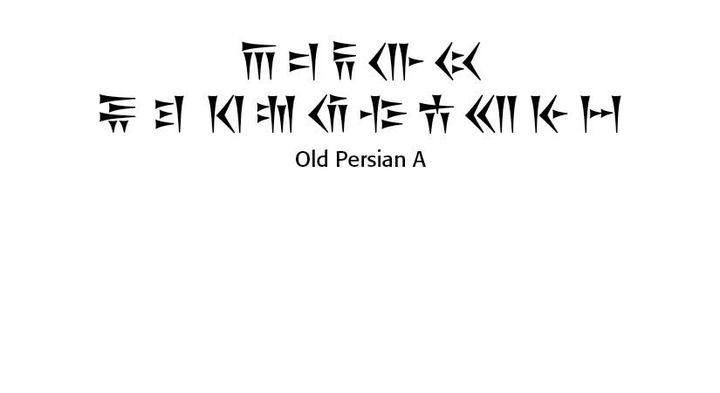
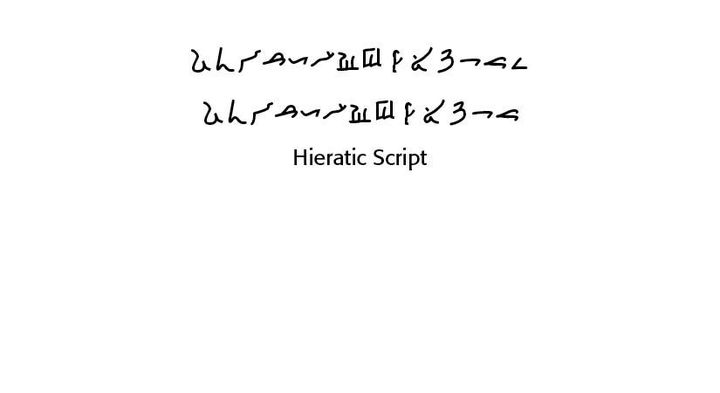
This little book investigates the history of Bible typography, the “art sublime,” from ancient roots to modern examples. An Appendix of older typographic fonts, many of them hand written and digitized for modern use, is also offered.


Available from Lulu Press at

Lulu.com at their Bookstore

Go To http://bit.ly/462s1Qa


TYPOGRAPHY FOR TYPISTS. I admire and value what professional typists do, whether they be document processors, or administrative assistants or data crunchers. Theirs is an often underrated and overlooked job when talking about the actual type they use and how they use it.


As also a pastor and theologian, I have worked with a number of church secretaries and administrative assistants who produce regular newsletters along with massive amounts of correspondence. What I have noticed as a typographer is the lack of knowledge of basic typographic principles used in such materials. This has led to this little book on typography for typists.


My hope and desire is that this book is an encouragement to all those typists seeking to produce accurate and good-looking documents in today’s world.


This book can be purchased directly from Lulu.com at
http://bit.ly/4fAR9A9


CARE Typography is pleased to announce a new font — NabelDado. This typeface is a decorative, capital lettering font, available in both standard black-and-white as well as a colored face in SVG format.


This font is perfect for a large versal (opening letter) for historic or decorative purposes. The SVG font can be adapted with differing lettering. Contact cshanktype@gmail.com for more details.

CARE Typography Fonts

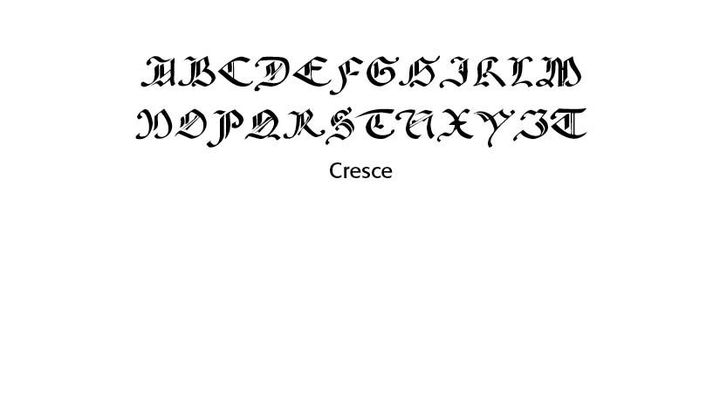
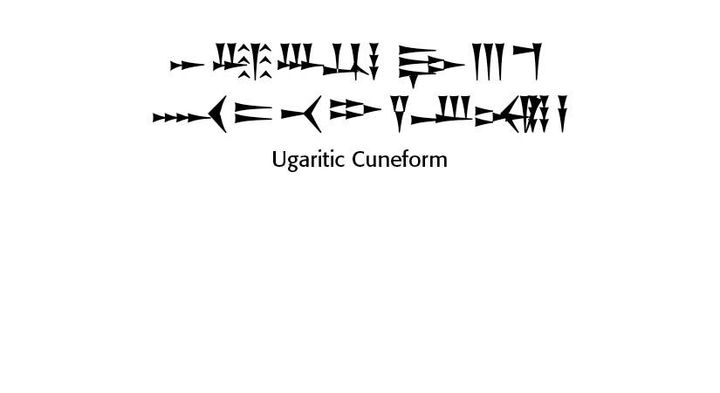
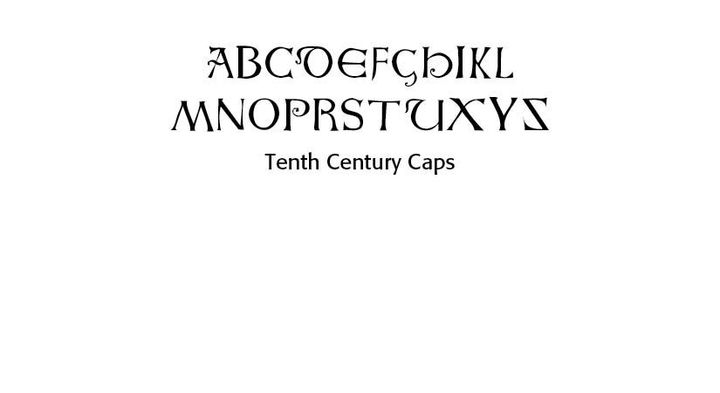
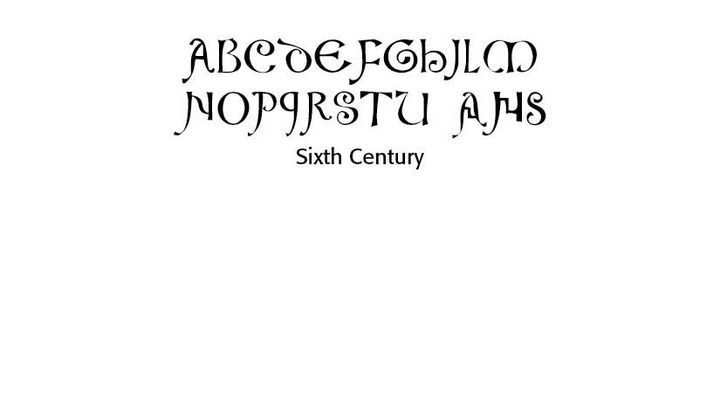
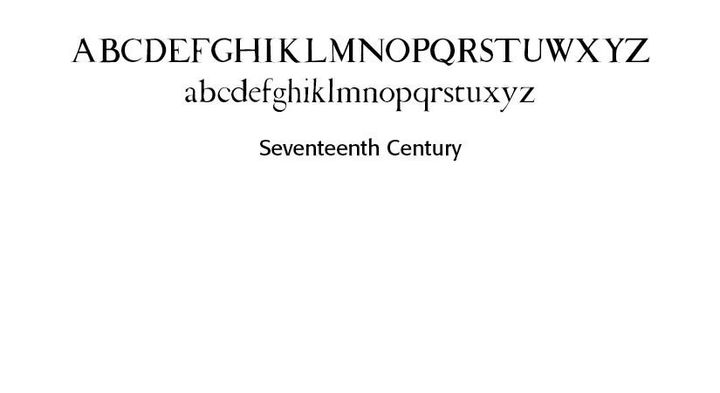
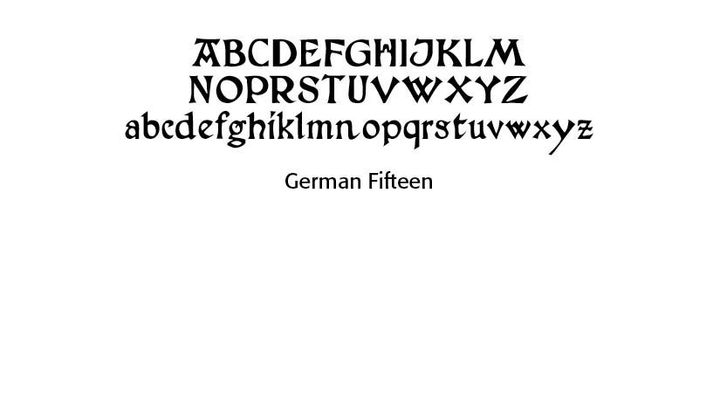
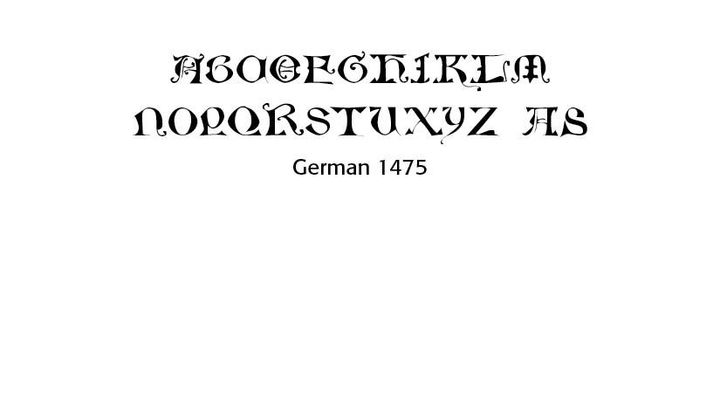
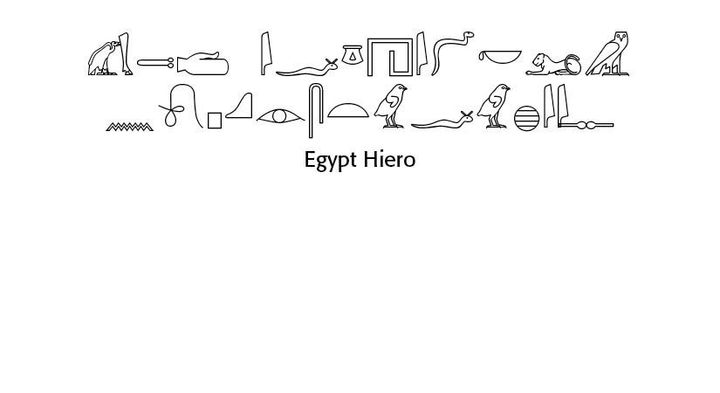
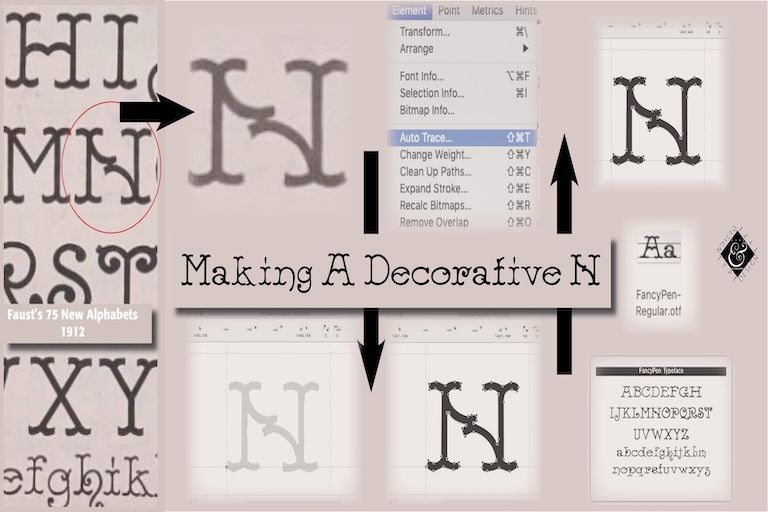
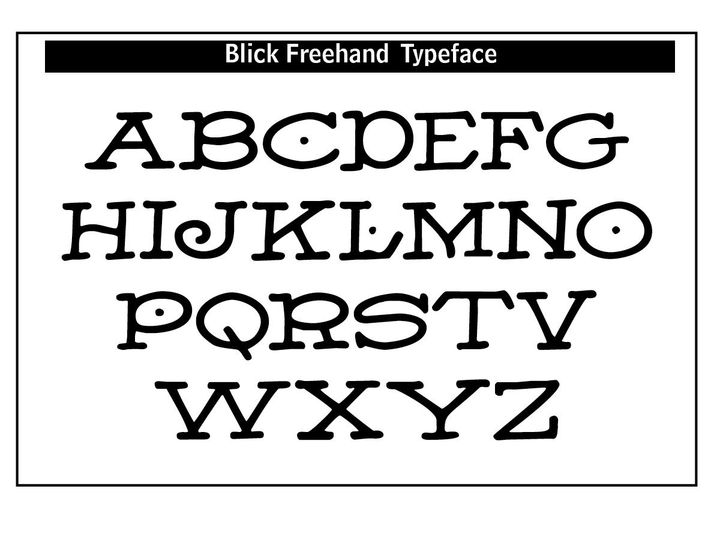
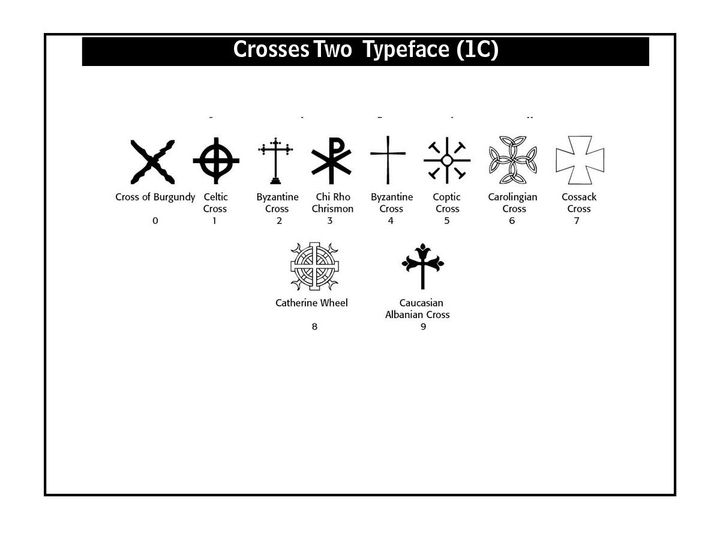
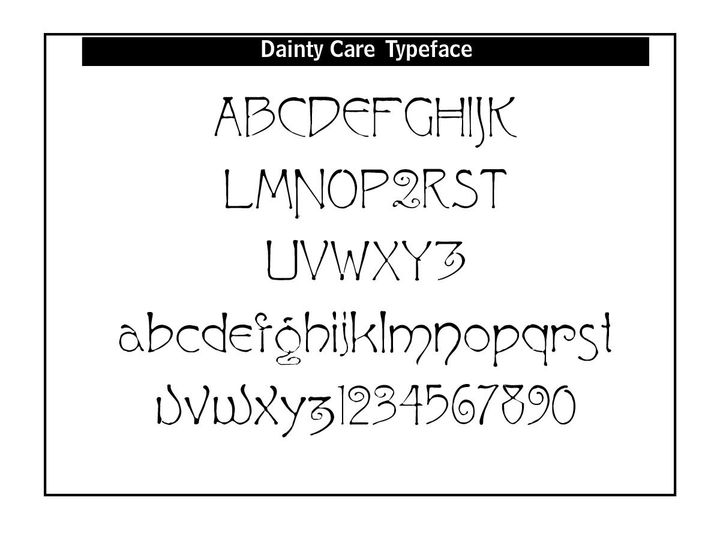
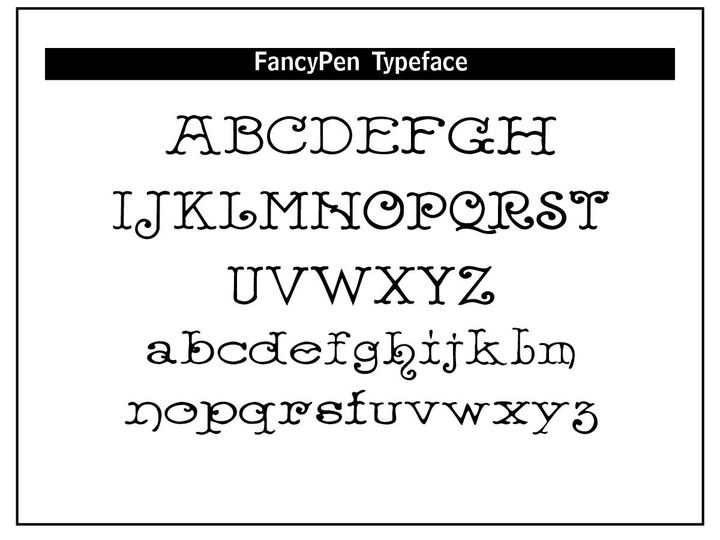
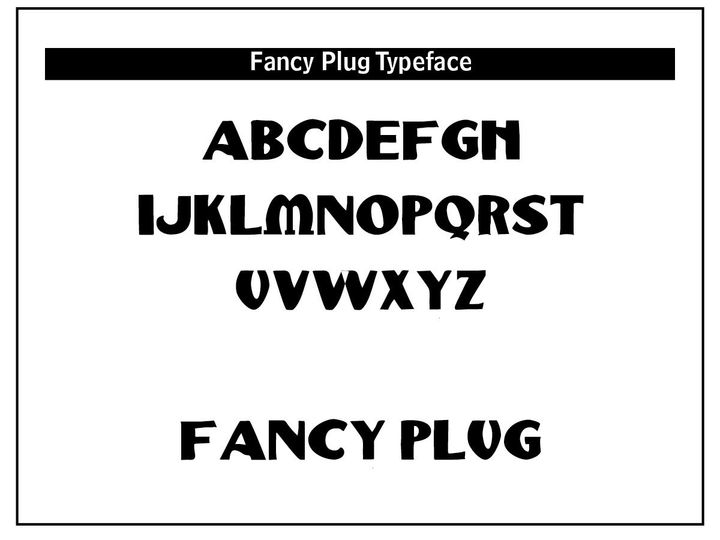
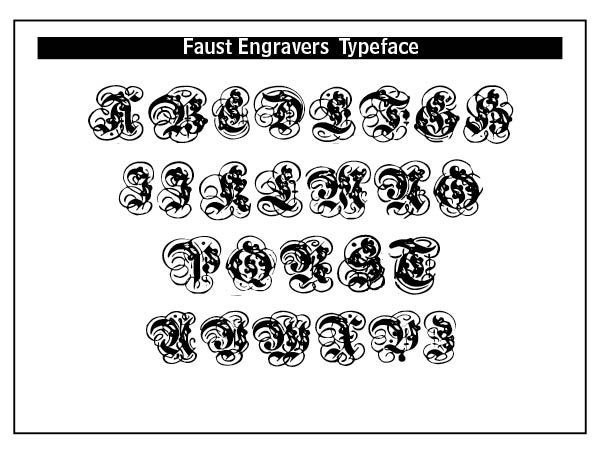
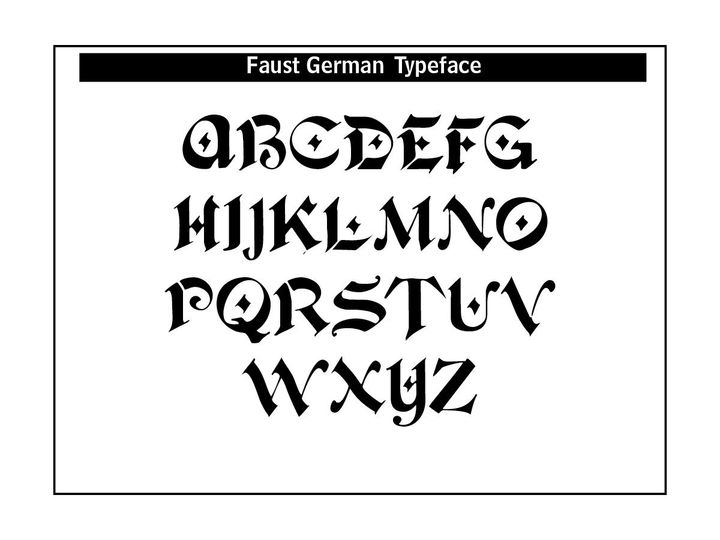
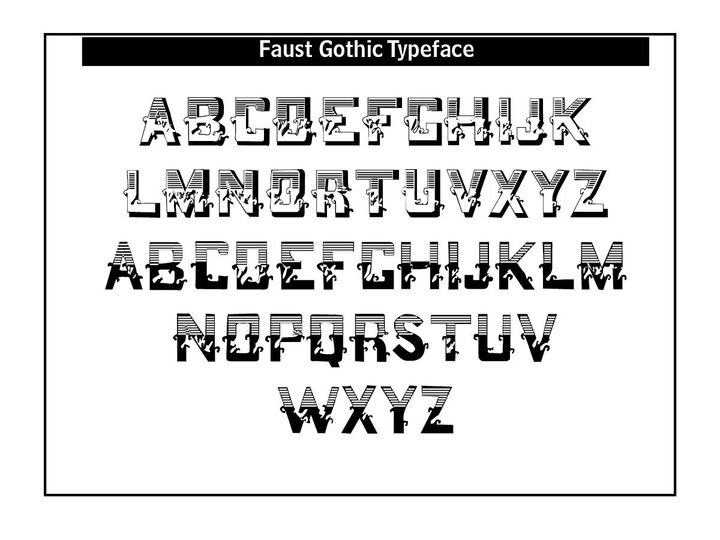
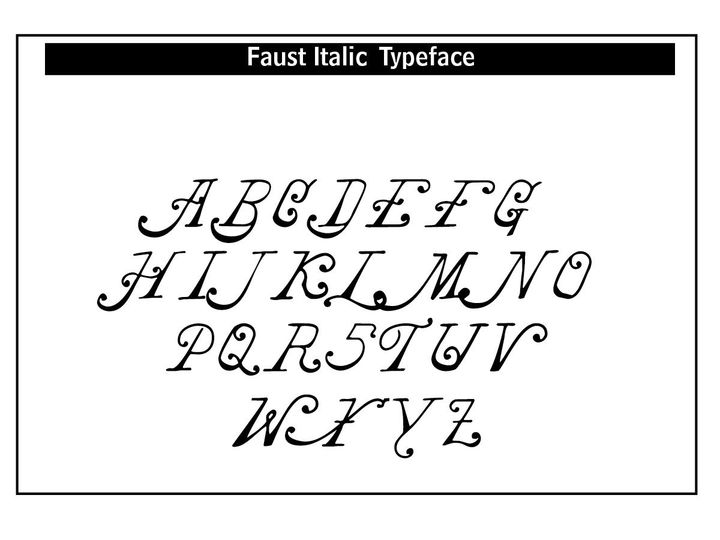
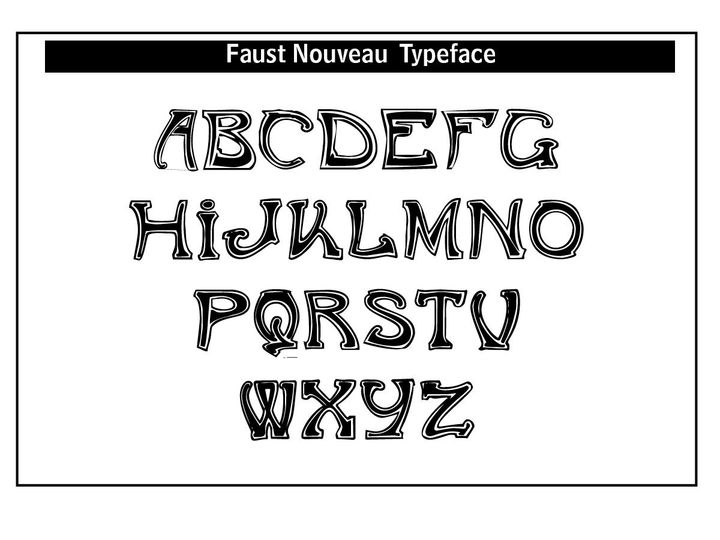
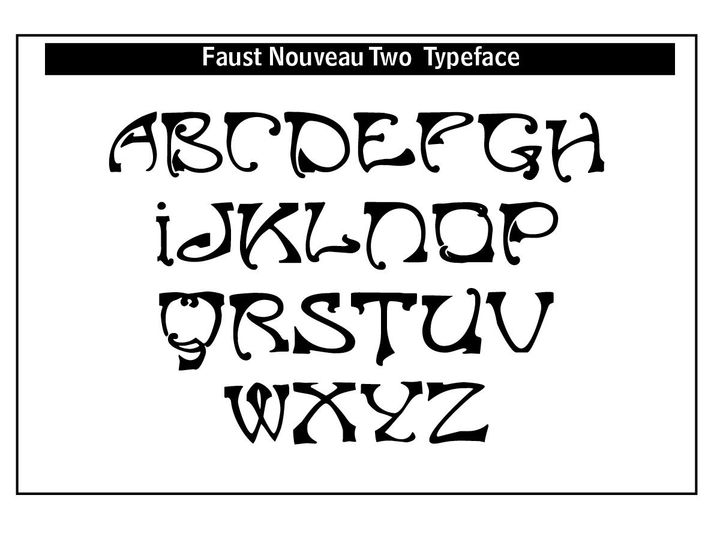
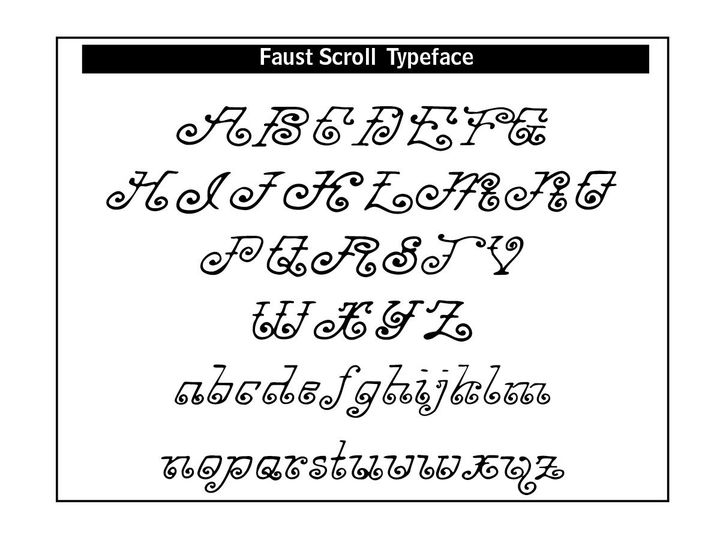
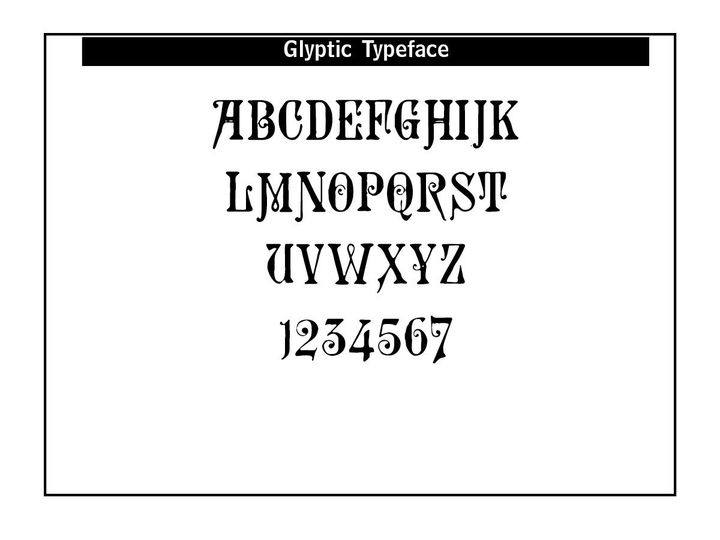
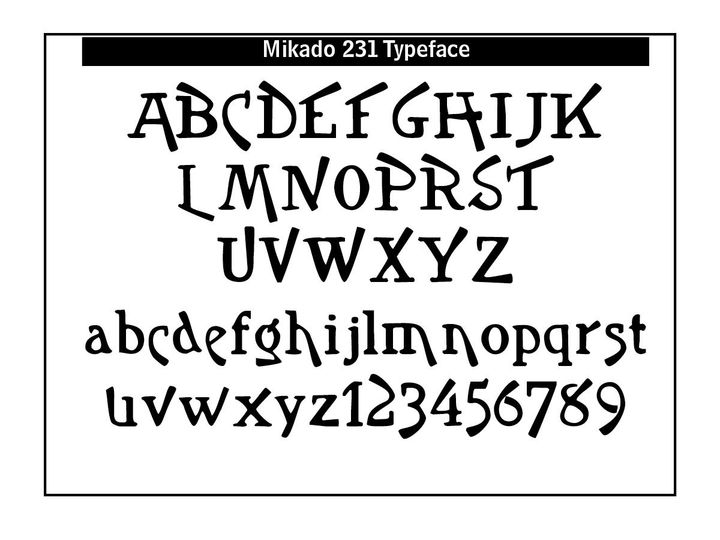
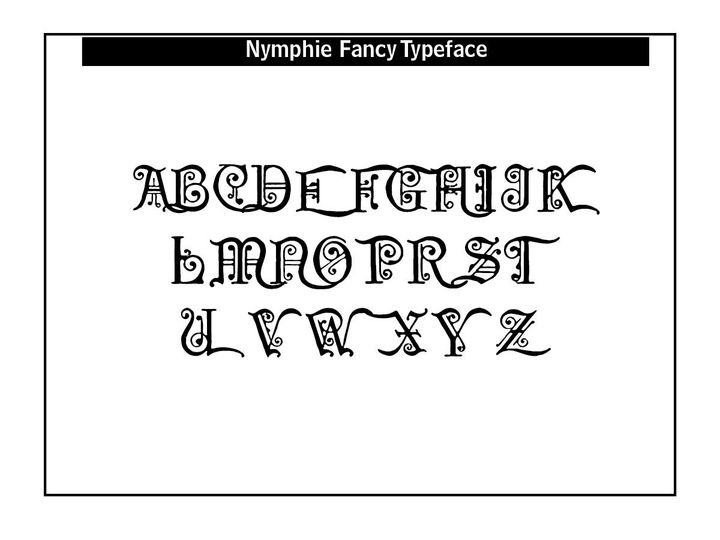
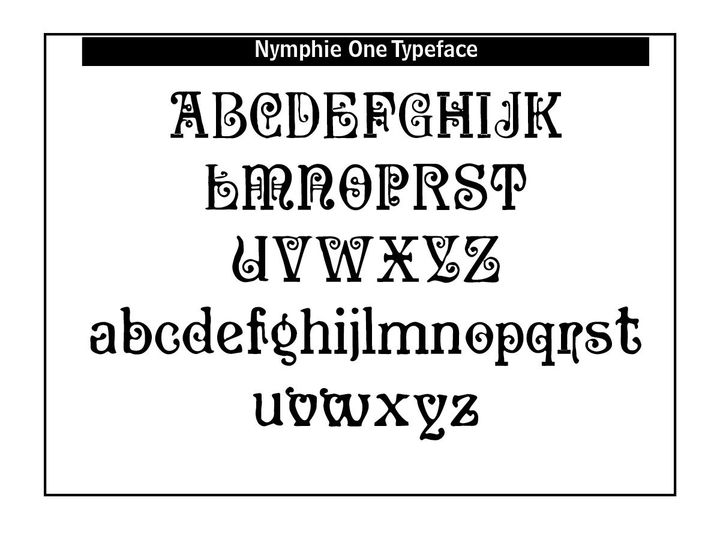
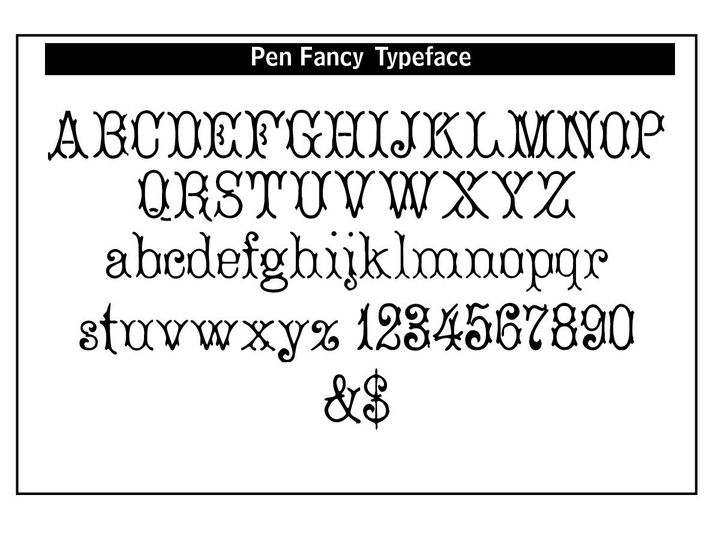
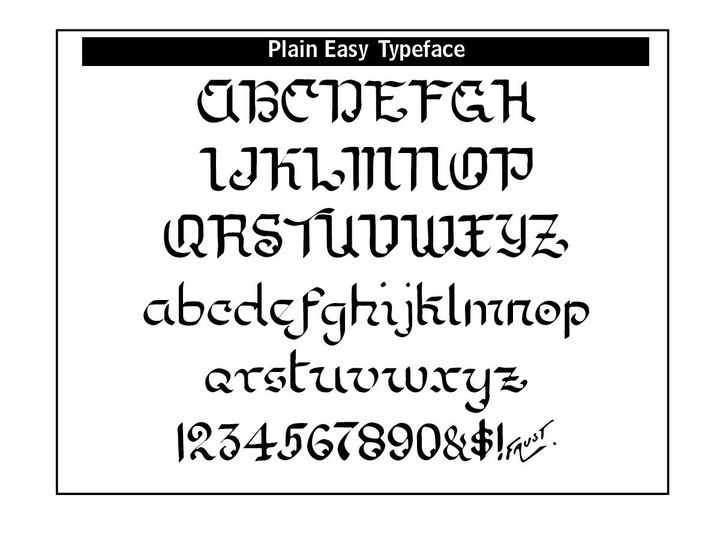
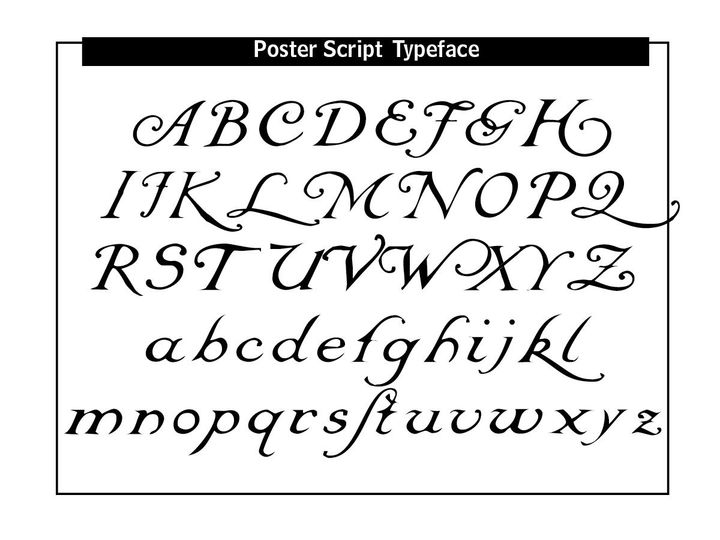
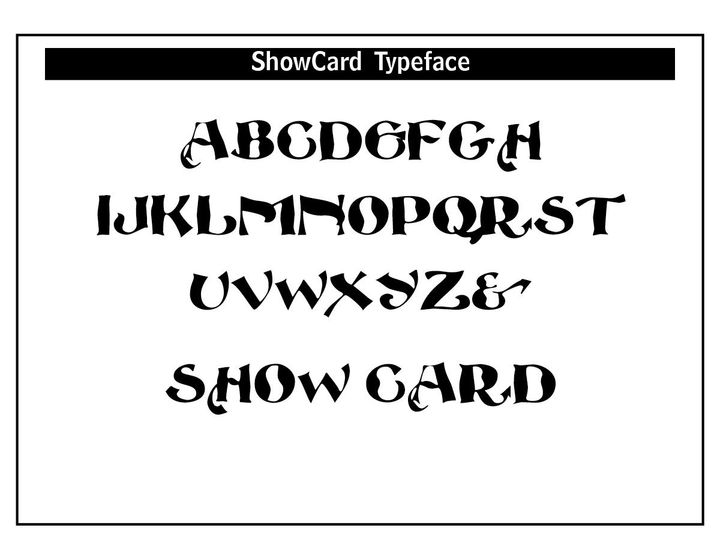
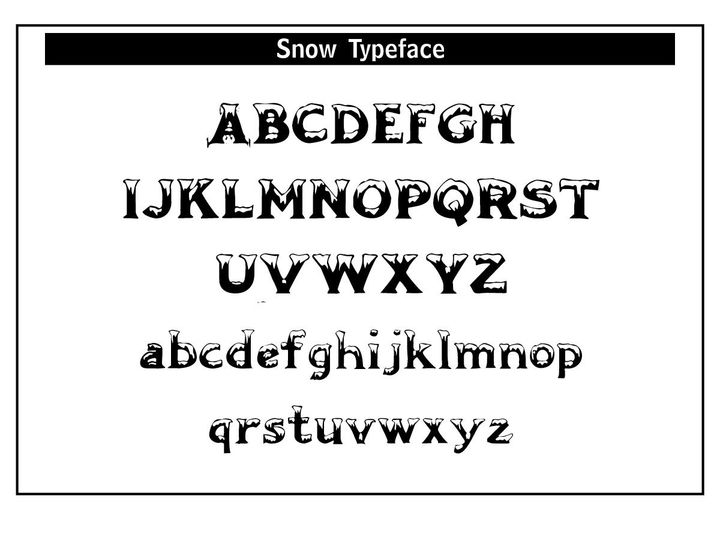
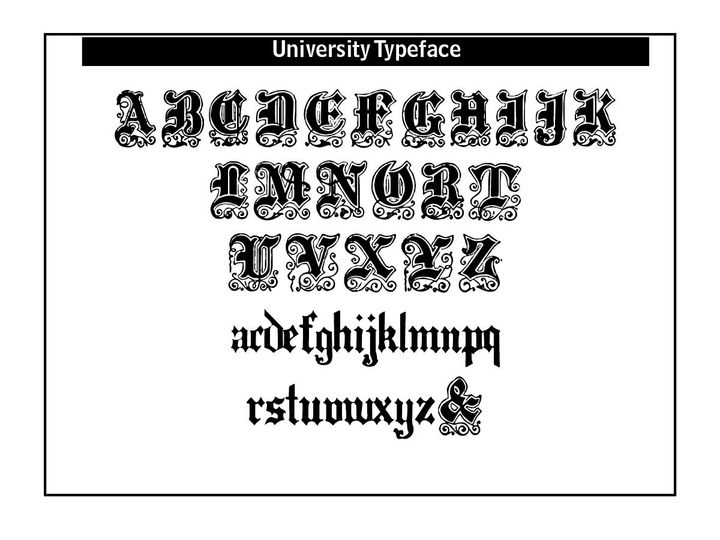
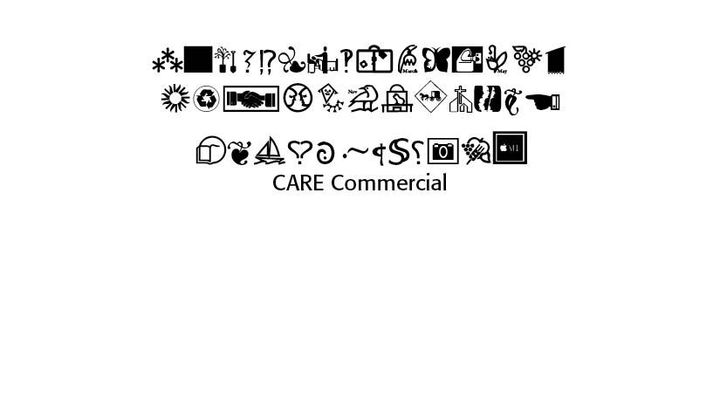
CARE Typography has crafted with the help of public domain materials and Lewis F. Day's Alphabets Old and New (London, 1910) a number of specialty fonts for sale to the public. Many of these fonts are uncials, or capital letters, suitable for invitations or chapter openings in books and other manuals.

Your first three choices are FREE to you. Ordering more than three selections are on a sliding scale of cost. An order form is attached. Payment via PayPal upfront. Enjoy!


Order Fonts

Font Revivals

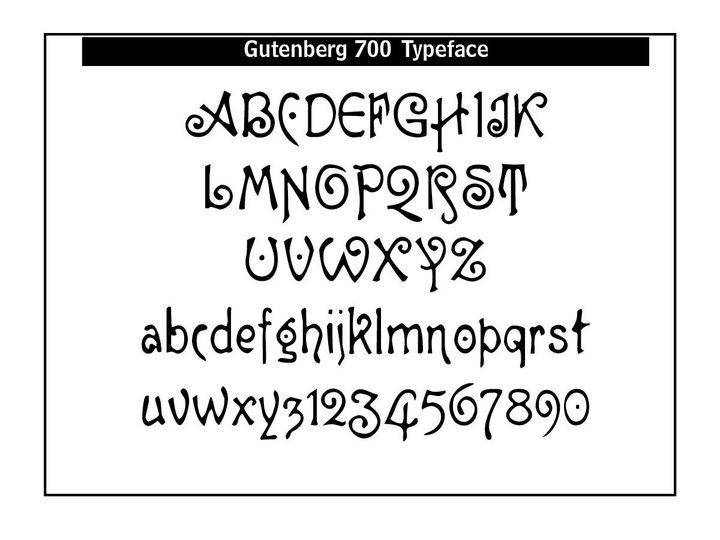
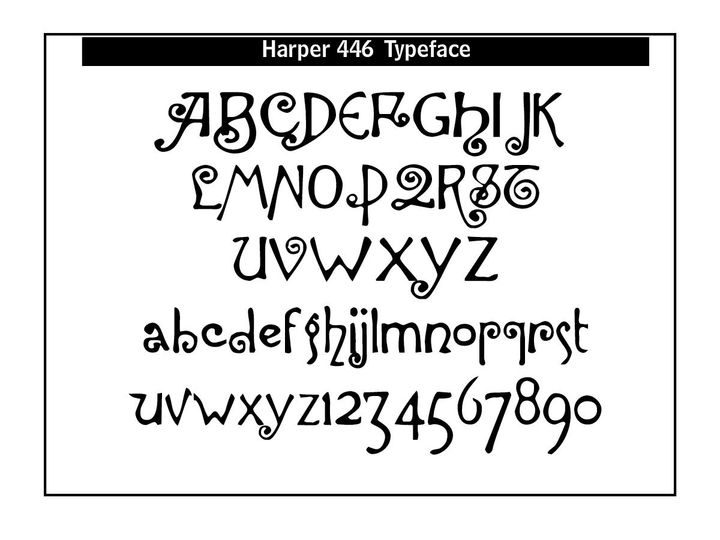
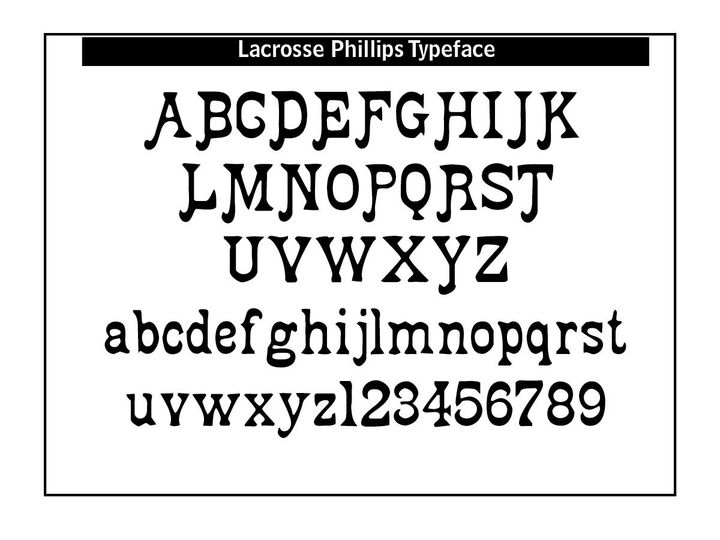
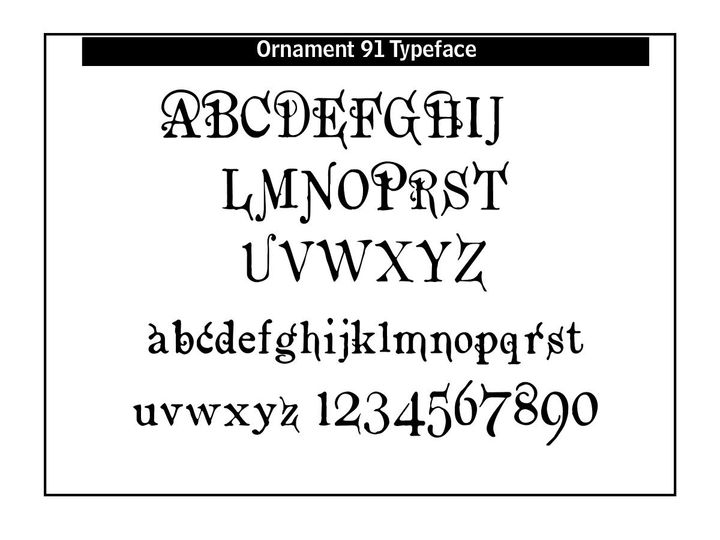
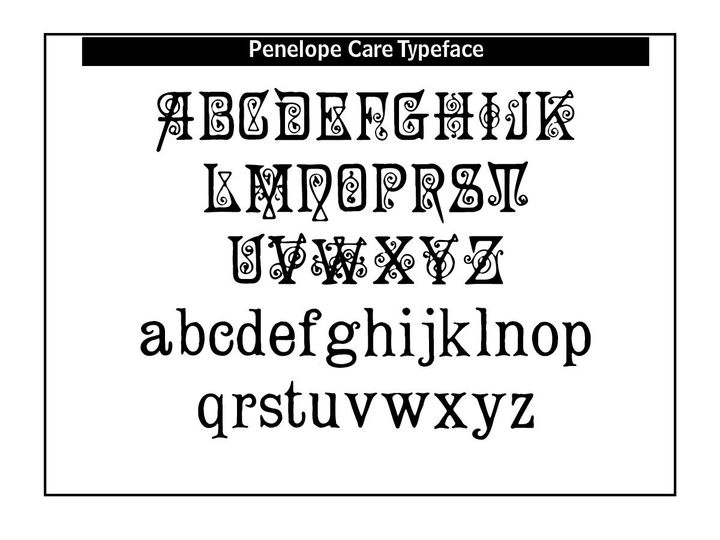
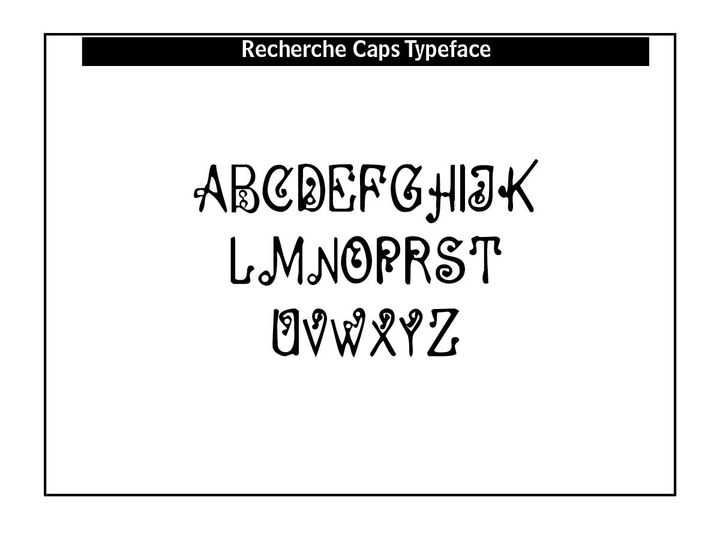
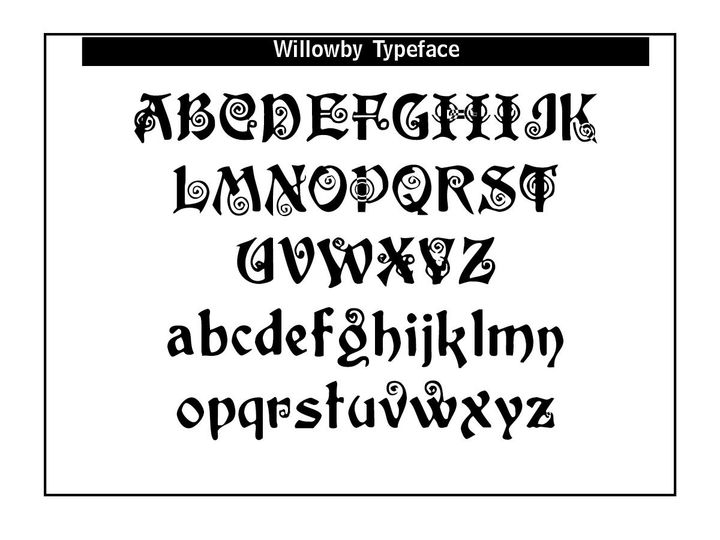
CARE Typography in its desire to revive old typefaces offers several additional old fashioned fonts to its growing collection. The playful swirly fonts in Willowby, Penelope Care, Recherche Caps, Gutenberg 700, Harper 446 and Ornament 91 are examples of fancy lettering that can be used in various ads, display work or book introductions. Most of these fonts have full lettering, though you will see a few missing letters from some of these recreations. They are available from CARE Typography at www.caretypography.com for a nominal fee.

  • Slide title

    Write your caption here
    Button
  • Slide title

    Write your caption here
    Button
  • Slide title

    Write your caption here
    Button
  • Slide title

    Write your caption here
    Button
  • Slide title

    Write your caption here
    Button
  • Slide title

    Write your caption here
    Button
  • Slide title

    Write your caption here
    Button

About Me


Hi, I'm Carl Shank.

I'm a layout, font designer and consultant specializing in church and ministry work under the umbrella of Carl Shank Consulting, a church health and leadership mentoring service.

Read More

Let’s Talk

Do you have a project or layout challenge that needs help?

Perhaps it is a special  logo or letterhead design or typeface that needs a facelift. Perhaps it is a wider ministry issue.


Whatever the design or consulting needs, we can help your ministry or business process.

Contact Us

Services

Learn more

Blog

By Carl Shank February 12, 2026
Free Fonts: A Deal or Trouble? The latest Google estimate of available fonts is over 300,000 and counting. Other estimates have catalogued over 550,000 fonts. There are over 36,000 font families, over 4,000 type designers and over 2,700 professional font foundries, not counting smaller font entrepreneurs like CARE Typography, which provides restored fonts from yesteryear. (Quora source https://www.quora.com/How-many-fonts-are-there-in-existence-Does-any-group-attempt-to-keep-a-record-of-all-the-fonts-that-exist ) There are commercial fonts from sources like Adobe and MyFonts (Monotype) which require payment for their use in various platforms. Both provide a subscription service, which usually requires a substantial monthly or yearly fee to download and use their fonts. When I began using Apple Macintoshes in the 1980s, font manufacturers like Adobe and Monotype would “sell” the right to use a number of their fonts for thousands of dollars. And, by the way, you never really “own” the font. You have paid only for the use of the font for a specific purpose or machine. Moreover, the price varies for print use, or web use, or a digital ad use. Even today, the font Trinité Titling by Bram de Does, used in a number of Bibles and biblical studies, costs over $4,000 for the use on a single computer and much more for a number of computer users. Individual users of such fonts are mostly priced out of their budget. Why the seemingly extravagant cost? We had a valve on one of our household plumbing lines go bad. I called the plumber, and he replaced the valve — at a cost of several hundred dollars, while the valve itself cost only a few dollars. Was that fair? Yes, because I was paying for the time and training and effort going into replacing that valve in my house. The same holds true for professional font designers. They spend hundreds, sometimes thousands, of hours in font development. We are paying for their livelihood. Font licenses cover four basic parameters around font usage — “The What: The weight and style of the typeface; The Where: Literally where you’ll use the font – a website, digital ad, or in print; The Who: The number times a font can be installed on a computer (aka the number of people who can use it); The How many: For example, web font licenses describe the number of allotted page views, and app and digital marketing licenses set similar parameters.” (Monotype Report) Companies like Monotype are rarely concerning with an individual using a font for a home, individualized project, but rather an entire design company or printer using that font for commercial gain and advertising dollars. There are fonts available “for personal use only,” prohibiting their use for commercial or money-making projects. There are what have been called “shareware” fonts, fonts with a minimal cost which require attribution of the type designer or provider on projects. Most fonts provide a EULA, or font license, which outlines and determines the legal restrictions and ramifications for their use. What about free fonts? Monotype warns against using unlicensed or what are called “free” fonts for several valid reasons, but, in my opinion, this is an obvious ploy to get the user to buy or subscribe to their font services. One Monotype report cites six issues associated with what are deemed “free” fonts. Free fonts may pop up in similar ads or designs to industry competition, perhaps prompting a lawsuit or cease-and-desist actions. Free fonts often have the inability to scale, add special characters, or even different alphabets. Free fonts have limited creative scope. They may be saddled with malware or software viruses. Poor font design can be a problem with such fonts. A sixth problem with so-called free fonts is that they can be actually “pirated” fonts, copied from legitimately designed fonts. “Aside from branding issues, free fonts also suffer from a whole host of performance issues. Fonts are software files that interact with applications and the operating system on which it’s installed; without the guidance of a skilled font engineer, rendering issues may arise from crashing glyphs, or a lack of proper kerning (the space between glyphs) text in certain scenarios. A free font downloaded from a random website might not support a broad range of languages and or complex scripts (e.g., Japanese or Arabic), or basic diatrics to cover commonly used Latin languages.” (Monotype Report) Monotype maintains that free fonts won’t give a company the individual style it deserves to help it stand out in the marketplace. They also point to the legal ramifications involved with font licensing, not a glamorous subject but one in which company attorneys are hired to examine for possible litigation. Types of Free Fonts There are four sources of free fonts — Open Source fonts with an SIL Open Font License (SEE https://openfontlicense.org ); OS fonts, fonts that come with your operating system and hardware; Subscription add-on fonts that come as an add-on to a subscription service; and, advertised free fonts by independent font designers, such as CARE Typography. Many or most of such free fonts come from freeware, shareware, public domain or demo fonts downloaded or reconstructed from an archive or library, like Internet Archive. Companies such as Website Planet offer free “commercial” fonts, fonts that can be used in business and corporate applications. See https://www.websiteplanet.com/blog/best-free-fonts/. Several cautions, however, are still in order here. First, a font that “looks like” a standard, business font is not the same thing as its “older brother.” An example is Website Planet’s Playfair Display font, both a variable and static font designed by Claus Eggers Sørensen licensed under the SIL Open Font License agreement. Yet, this font looks a lot like the standard Bodoni font, created by Giambattista Bodoni in 1767 and revived by Morris Fuller Benton in 1911 under Linotype’s commercial license.
By Carl Shank December 23, 2025
More on the Greek font. In a previous post ( It's Greek To Me! March 18, 2023) we noted that Cursive Greek type appeared as a chancery script by Francesco Griffo in 1502 and lasted two hundred years. Robert Bringhurst notes that "chancery Greeks were cut by many artists from Garamond to Cason, but Neoclassical and Romantic designers . . . all returned to simpler cursive forms . . . in the English speaking world the cursive Greek most often seen is the one designed in 1806 by Richard Porson." This face has been the "standard Greek face for the Oxford Classical Texts for over a century." ( Robert Bringhurst, The Elements of Typographic Style, Hartley & Marks, Version 3.1, 2005 , pp. 274, 278) In fact, asking Google for the best Greek face to use, it points us to Porson Greek. Porson is a beautiful Unicode Font for Greek. It's not stiff, like many of the cleaner fonts, which are usually san serif. It is bold and easy to read and seems to more closely match the orthography in newer textbooks. (Jan 8, 2004) 
By Carl Shank December 22, 2025
CARE Typography is pleased to announce a new typeface — NabelDado — in standard black-and-white font formulation as well as colored SVG formats. Please see samples below. Order from cshanktype@gmail.com. Enjoy!